A Tale of Two Clerics - "A Celebration of Who We Are" Jason's Story Part Two Shorter Version



This is a summary of my main post and full interview with Jason that you can read here
June is a month of double celebration for Ben and Jason McMahon‑Riley. It is, of course, Pride Month—a time to honour LGBTQ+ people, to value them for who they are, and to recognise the ongoing need for justice and equality. But June is also the month they celebrate their wedding anniversary. On 17 June 2022, they became one of the first same‑sex couples to be married in the Methodist Church. Their story is not only a love story but a testimony to faith, perseverance, and the long journey toward full inclusion in church and society.
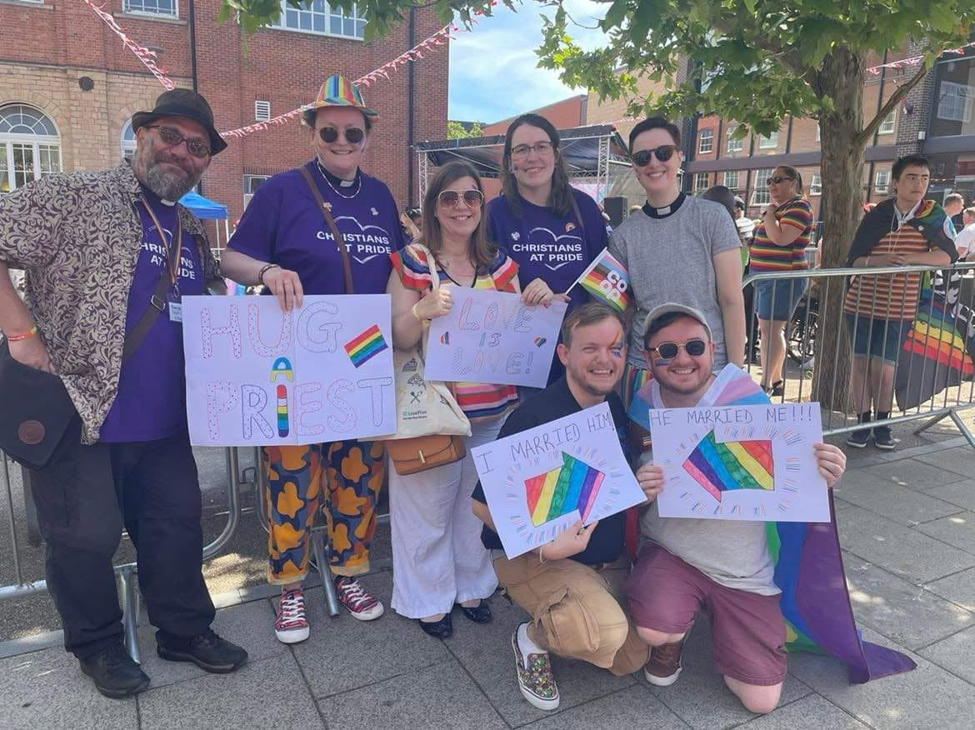
Their journey began long before the law caught up with their love. Back in 2009, when they were just 16 and 17, Ben wrote Jason a love letter containing a teenage but deeply sincere proposal. As Jason reflects, “Even as teenagers, Ben wasn’t simply saying ‘I hope we’re together for a long time’; … he was expressing a desire for a lifelong covenant.”

At the time, marriage between two men was legally impossible. Yet the desire for covenantal commitment—rooted in love, faith, and the belief that their relationship was “every bit as real and valuable as anyone else’s” —was already present. Their story mirrors the experience of many Christian same‑sex couples who sensed the sacredness of their bond long before the law or the church recognised it.
A Short History of a Long Road - to Same-Sex Marriage Equality
The legal recognition of same‑sex marriage in Britain did not appear overnight. Like the abolition of slavery or votes for women, it was the fruit of many decades of activism, persistent moral argument and prayer to shift public attitudes.
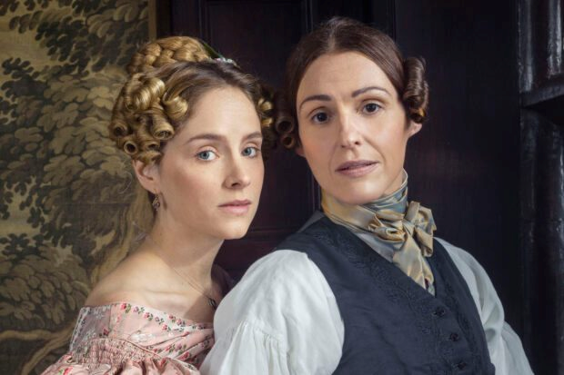
Back in 1834, Anne Lister and Ann Walker exchanged rings and took communion together at Holy Trinity Church, York—an act they saw as a binding marriage covenant in the eyes of God. Their union, though unofficial, stands as a prophetic signpost: long before the law recognised same‑sex marriage, faithful loving couples were already living it.
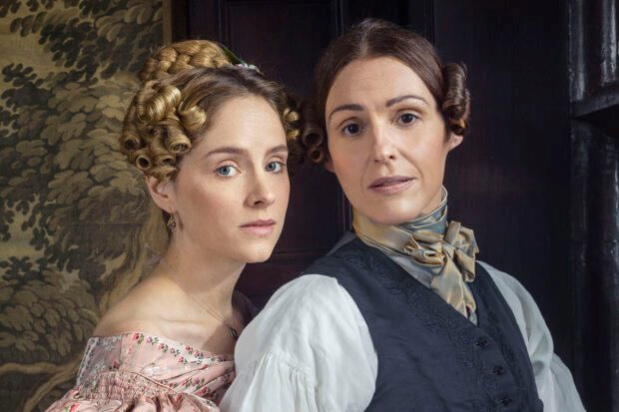
But it’s a sobering thought that nearly 200 years later, whilst two people of the same sex can be legally married, the law still does not allow them to do what Anne and Ann sought to - get wed in a Church of England church. It's as if the country is still stubbornly clutching to its chest a vestige of marriage rights it’s still withholding from queer folk - the right to celebrate same sex unions in our national church.
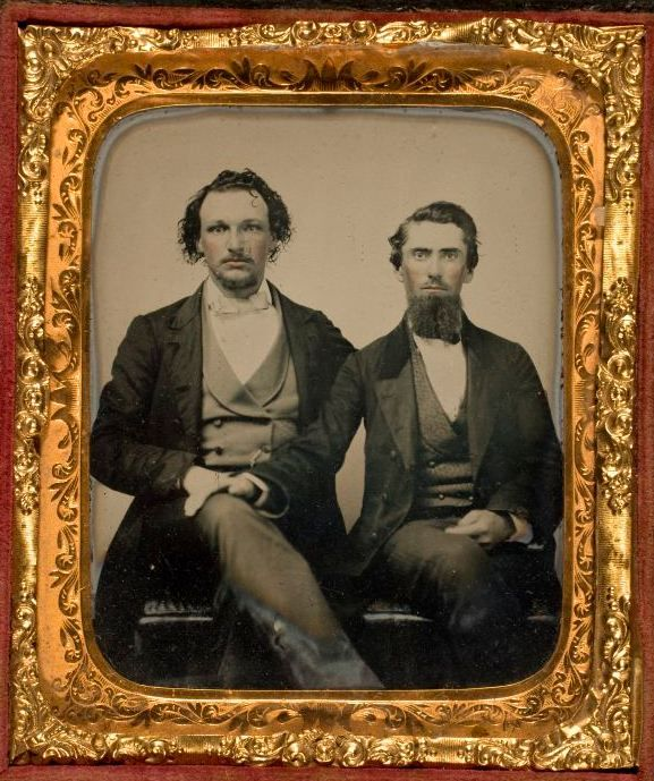
Yet for most of the next 150 years, the law remained firmly hostile to their cause. The 1866 High Court case of Hyde v Hyde defined marriage as “the voluntary union for life of one man and one woman,” cementing exclusion.
A whole century passed before the law finally started to thaw for gay folk. In 1967- the year of the “summer of love”, the Beatles’ seminal Sergeant Pepper’s album and my birth - Harold Wilson's Labour government passed The Sexual Offences Act 1967. This decriminalised private sexual acts between men over 21.
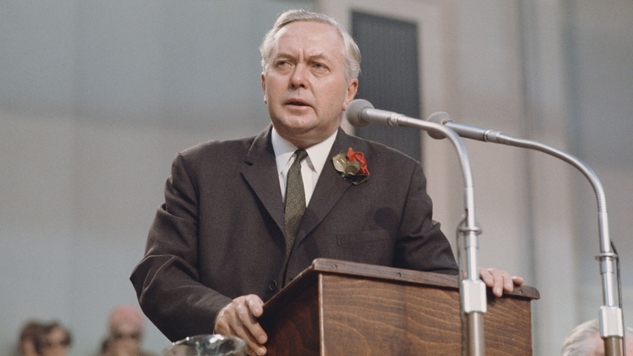
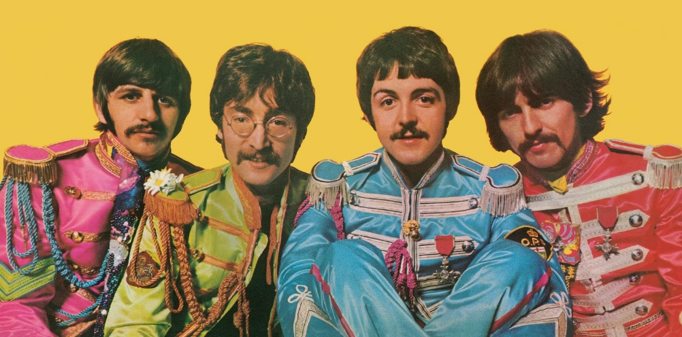
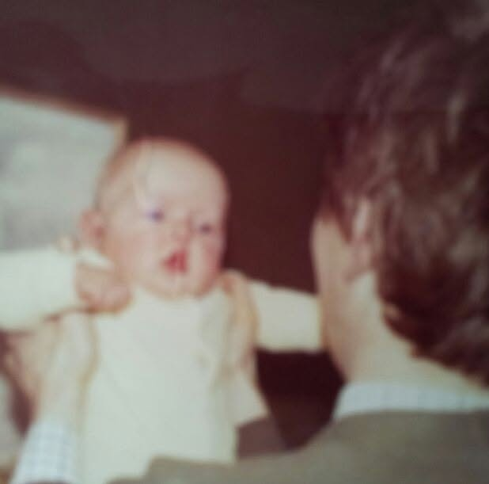
Three “icons” of 1967: 1. Prime Minister Harold Wilson 2. the iconoclastic Beatles regaled in their Sgt. Pepper’s “Pride” colours - 3 years before Pride had even started! 3. Baby Jeremy!
But only four years later Ted Heath’s Conservative government Nullity of Marriage Act 1971 slammed the door on any legal recognition of same‑sex unions, declaring such “marriages” void from the outset. It was as if the government were putting up a big no entry sign to same-sex relationships, sending out the message: we might tolerate what two men get up to in their own homes but no way will we recognise such relationships as anything other than private sin!
Still, the seeds of change were being sown. From the late 1970s onwards, campaigners—from the Gay Humanist Group to Peter Tatchell’s OutRage!—challenged the injustice of exclusion. Humanist ceremonies in the 1980s, Ken Livingstone's London Partnership Register in 2001, and legal challenges such as Wilkinson v Kitzinger (2006) all helped shift public consciousness.
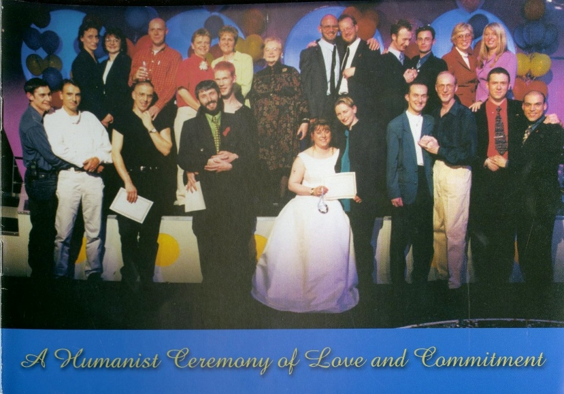

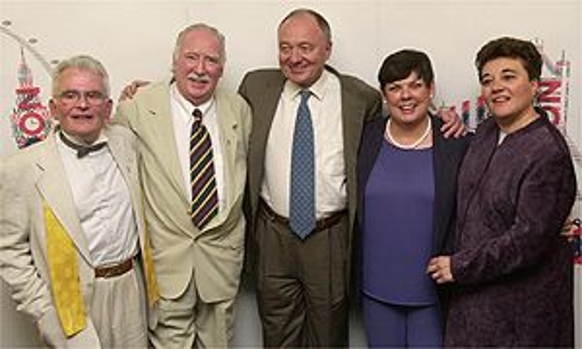

By the early 2000s, society was changing rapidly. Tony Blair’s second “new” Labour government passed the Adoption and Children Act 2002, granting same‑sex couples equal adoption rights - allowing Ben and Jason to adopt their Luke 23 years later.
The Civil Partnership Act 2004 created a parallel institution of civil partnership for same-sex couples. This offered them most of the legal rights of marriage—yet still withholding the name, and therefore the dignity, of marriage itself.
The final push came through a combination of grassroots activism, political leadership, and public support. Leading up to the general election, equal marriage grew into a prominent campaign issue, driven by LGBTQ+ groups like Stonewell. By the time of the election two of the three leaders of the main political parties had voiced their support for legalising same-sex marriage: the Conservatives' David Cameron and the Liberal Democrats' Nick Clegg. The laggard there was the outgoing Labour Prime Minister, Gordon Brown, who (like me) misguided by his own Christian faith, wrongly saw marriage as something God had specially reserved for a man and a woman.

Following the election, in 2012 the new Conservative-Liberal Democrat coalition government launched the Equal Civil Marriage Consultation. Receiving over 220,000 responses, the massive public turnout proved the direct catalyst for the drafting and introduction of the Marriage (Same Sex Couples) Bill in early 2013.
Despite fierce opposition from most Conservative MPs, the Marriage (Same Sex Couples) Act passed in July 2013, thanks largely to Labour support (including Gordon Brown's!) and a shift in public opinion.
The first same‑sex marriages took place on 29 March 2014—180 years and a day after Anne and Ann’s ceremony and 8 years before Ben and Jason’s.
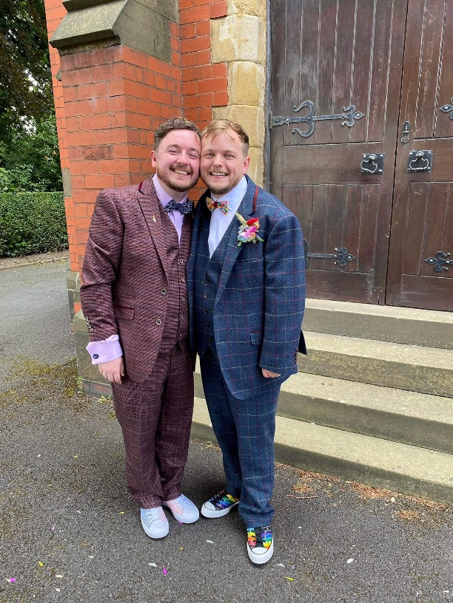
For couples like Ben and Jason, this was not an abstract political milestone. It was the opening of a door they had long hoped to walk through.
Growing Up Together: A Love That Endured
Ben and Jason’s relationship was unusual not because it’s unusual for two teenagers to fall in love – that’s normal - but because they grew together rather than apart and so stayed together – just as my wife and I did. As Jason puts it, “The people we were at 16 and 17 are very different from the people we became in our twenties and thirties… Through every stage of life, we kept choosing each other.”

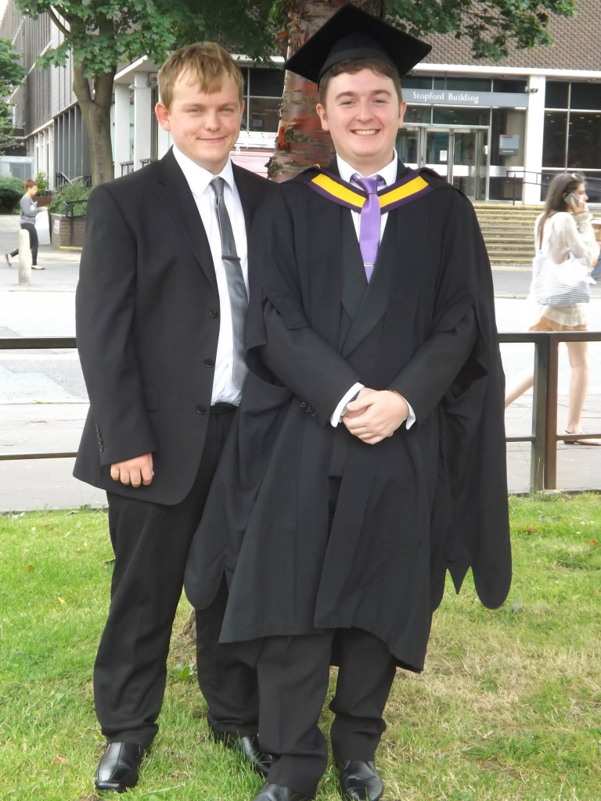

Their relationship weathered the challenges familiar to many couples—university, career changes, finances, family expectations—as well as the unique pressures of ministry and the evolving social landscape for LGBTQ+ people. What sustained them was friendship at the core of their relationship, and the commitment to “learning who the other person is becoming.”
As I know from my own marriage, growing together from such a young age brought special blessings. Jason reflects on the “gift of a shared history stretching across most of your lives”, and the “grounding experience of being loved by someone who knew you before titles, roles, or responsibilities.”
Why Marriage Matters
Had same‑sex marriage not been legalised, Jason believes they would eventually have entered a civil partnership for legal protection. But it would not have been the same. For them, “Marriage matters,” he says, “because it places a relationship within the same framework as every other married couple.”
For Christians, the language of covenant is central. Marriage is not merely a legal contract but a commitment before God.
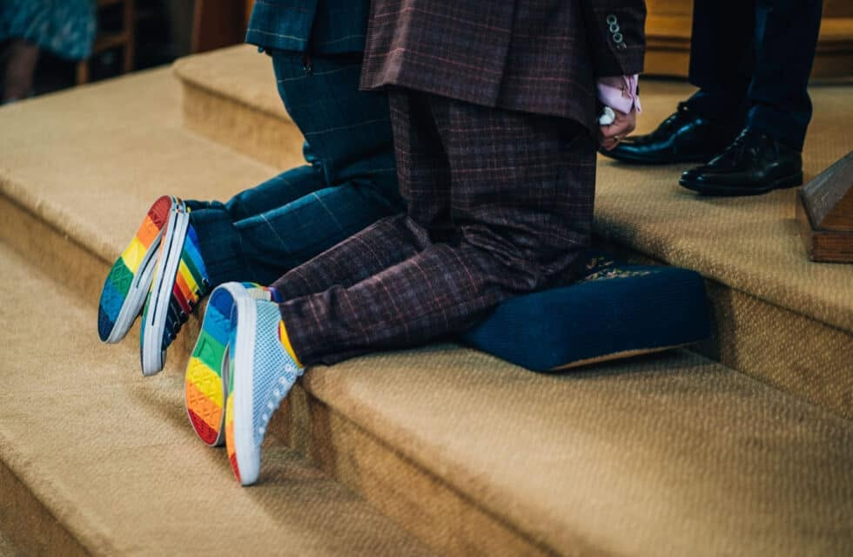
To deny same‑sex couples access to marriage is to deny them access to the theological vocabulary of covenant, fidelity, and sacramental love.
If marriage is a covenant of mutual love, faithfulness, and self‑giving, then excluding couples who embody these virtues is not biblical fidelity—it is biblical inconsistency.
The Proposal, the Waiting, and the Joy
Ben’s more more formal proposal came in September 2019, by a peaceful lake, in a moment Jason describes as “breath-taking”. After 10 years together, Jason explains, “it felt less like asking ‘Will you marry me?’” than “’Shall we finally do what we’ve always known we wanted to do?’”

Their engagement was celebrated with family and friends in their church, with an autumn‑themed afternoon tea and a sense of thanksgiving.
Yet even then, the Methodist Church had not yet agreed to conduct same‑sex marriages. Their decision to get engaged was therefore still an act of faith—trusting that the church would eventually recognise what God had already blessed.
A Wedding Rooted in Faith
When the day finally came on 17 June 2022, it was everything they had hoped for. Jason describes the experience as “deeply moving and profoundly right.”
For him, faith is central to identity. To stand in church, before God, surrounded by loved ones, and make vows was profoundly meaningful. A registry office could have offered legal recognition, but marriage in church offered spiritual recognition—a covenant made in the presence of God.
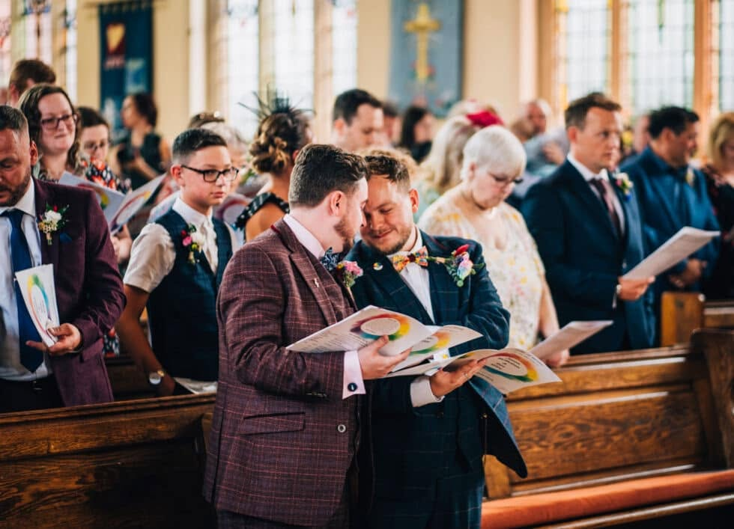
“God wasn’t an addition to the day—God was at the heart of it.” The wedding was an act of worship, filled with prayers, readings, hymns, and blessings. It was a celebration not only of their love but of God’s faithfulness throughout their journey.

Looking back, Jason sums up the day in one word: "joy!"

Life Since the Wedding
In the four years since their wedding, Ben and Jason have navigated major life transitions, including adoption—a process Jason describes as long, emotional, and exhausting. Ministry has brought its own pressures. But they have faced these challenges together, remembering that “we’re on the same side.”
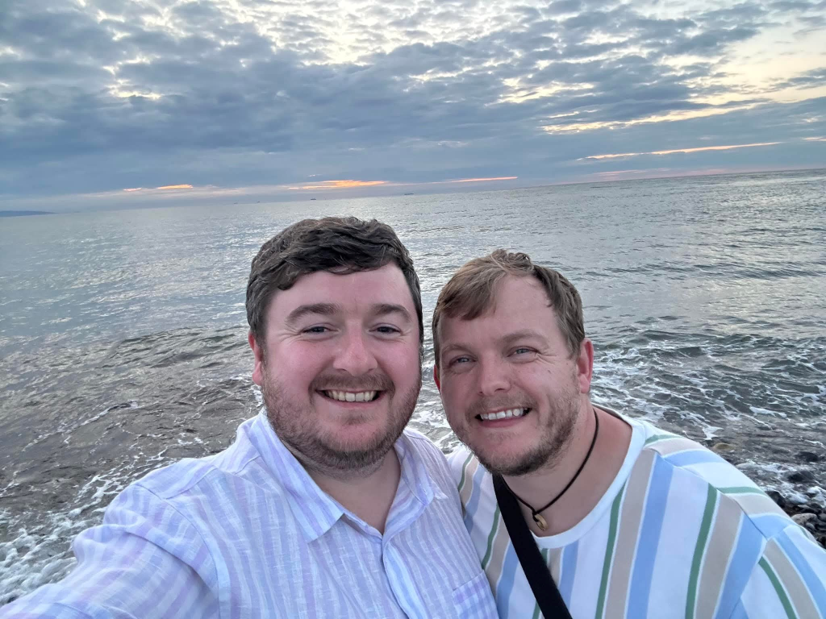
Their relationship today is “deeper, steadier, and more rooted” than ever. The excitement remains, but it is now joined by trust, shared experience, and mutual understanding.
A Word of Advice for Couples
Jason’s advice to couples preparing for marriage is simple but profound: “Choose each other every day.”
Marriage is sustained not by grand gestures alone but by “daily acts of kindness, patience, forgiveness, encouragement and faithfulness. Love isn’t just something you feel; it’s something you practise.”
Why This Story Matters for the Church
Ben and Jason’s story is not merely personal—it's theological. It demonstrates that same‑sex relationships can embody the very virtues Scripture celebrates in covenantal love: fidelity, mutual care, perseverance, joy, and the intertwining of two lives in God’s presence.
Their story challenges the church to recognise what God is already blessing.
It invites evangelicals to revisit Scripture not through the lens of fear or tradition, but through the lens Jesus himself used: “By their fruits you shall know them.”

The fruits of Ben and Jason’s relationship—faithfulness, joy, service, and love—are unmistakably good. And where the fruit is good, the tree is good.

Next time: Jason's Story part 3 - the Messy Joys of Fatherhood!


Comments