A Tale of Two Clerics - "A Celebration of Who We Are" Jason's Story Part Two Full Version
- Jeremy Horton
- Jun 28
- 14 min read

Updated: Jun 29



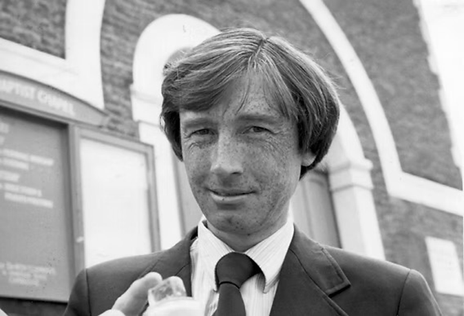
June is a month of double celebration for Ben and Jason McMahon-Riley. Of course, it’s Pride month when we celebrate LGBTQ+ folk like them - valuing them for who they are and the special contributions they make to our world and recognising the need to treat them fairly and equally.

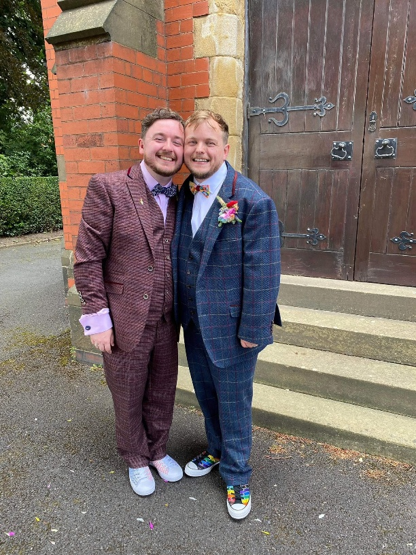
But, fittingly, it's also the month Ben and Jason celebrate the anniversary of their wedding as one of the first gay couples to be married in the Methodist Church - on 17th June 2022.
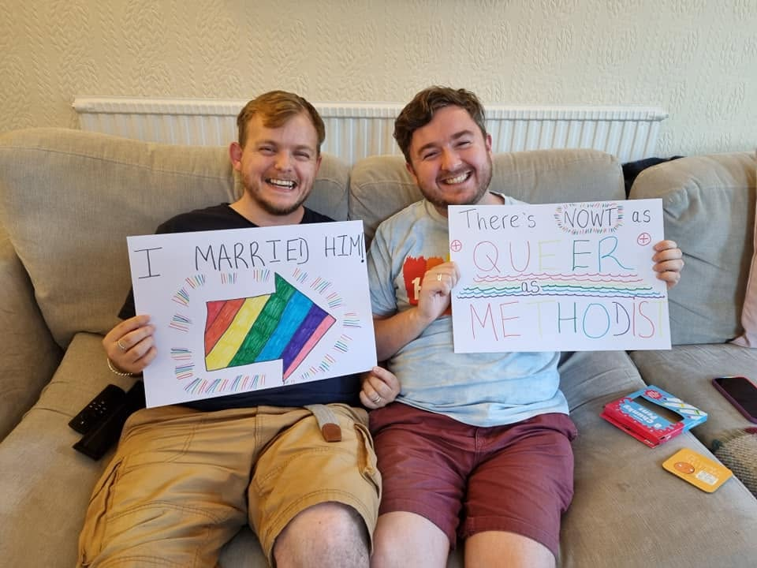
Ben had first optimistically proposed marriage to Jason in a love letter back in 2009, when they were just 16 and 17 . It was a bit like my own first tentative teenage proposal to my wife Hannah in 1985; only a big difference was that in 2009 marriage between two men wasn't even legally possible for another 5 years - when the Marriage (Same Sex Couples) Act 2013 came into effect.
Same-sex marriage – a brief British legal history
Some might say that legalising same-sex was one of the few successes of the Conservative-Liberal Democrat coalition government. But, just like the abolition of slavery or votes for women, such huge changes don’t happen overnight. It was not as if one night David Cameron and Nick Clegg shared the same dream and woke up the next morning and agreed "Let's legalise same-sex marriage!"
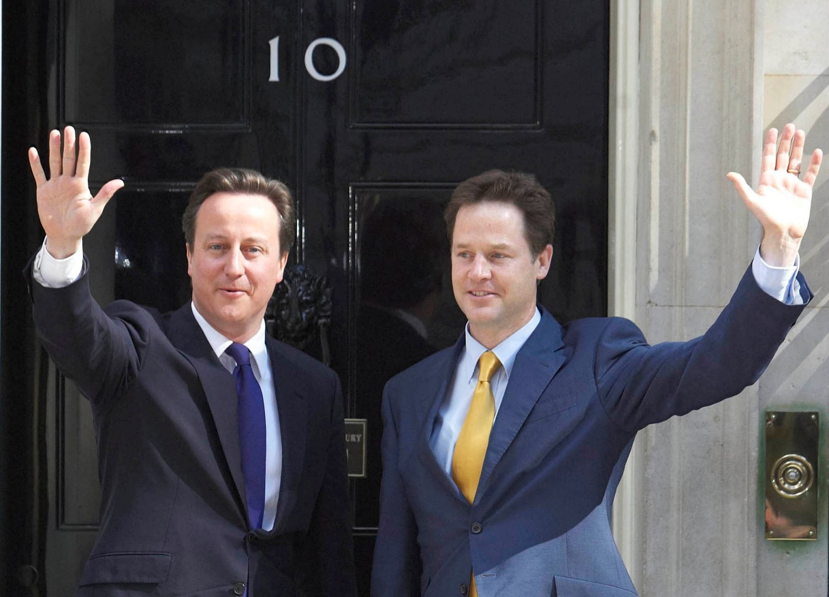
“Best buddies” Dave and Nick
This iconoclastic change only happened thanks to many years of lobbying and campaigning and, yes, prayer! And the final passage of the legislation actually happened in the teeth of strong opposition from most Conservative MPs.
188 years before Ben and Jason tied the knot, saw the country's first recorded church ceremony of a same-sex "union". This was between Anne Lister (the real "Gentleman Jack" of the eponymous BBC drama) and wealthy heiress Ann Walker. On Easter Sunday 30 March 1834, they exchanged rings and took communion together at the Holy Trinity Church in York, sealing a lifelong "marriage" covenant - 180 years before such unions were legally recognized. Because the Church of England did not permit same-sex weddings, the couple sanctified their union by taking communion together, which they considered a binding marriage in the eyes of God. They then shared the rest of their lives together as wife and wife at Anne’s ancestral home, Shibden Hall, Halifax.

Ann Walker and her “wife” “Gentleman Jack”, Anne Lister, as portrayed by Sophie Rundle and Suranne Jones in the BBC Drama “Gentleman Jack” (still available on BBC iPlayer)
It’s a sobering thought that nearly 200 years later, whilst two people of the same sex can be legally married, the law still does not allow them to do what Anne and Ann sought to - get wed in a Church of England church. It's as if the country is still stubbornly clutching to its chest a vestige of marriage rights it’s still withholding from queer folk- the right to celebrate same sex unions in our national church. (Thankfully not so the Methodist church!)
For many decades after Ann and Anne's unofficial marriage the law set its face very firmly against any legal recognition of same-sex marriage.
32 years later in 1866 the landmark High Court decision in Hyde v Hyde formally defined marriage under English common law as "the voluntary union for life of one man and one woman", reinforcing the exclusion of same-sex couples.

Yes. gay Victorian couples did exist, despite the High Court banning them from marriage!
A whole century passed before the law finally started to thaw for gay folk, following a gradual post-war softening of public attitudes, especially following a series of high profile scandals involving “homosexual” men. In 1967- the year of the “summer of love”, the Beatles’ seminal Sergeant Pepper’s album and my birth - Harold Wilson's Labour government passed the Sexual Offences Act 1967. This de-criminalized consensual private sexual acts between two men over the age of 21.

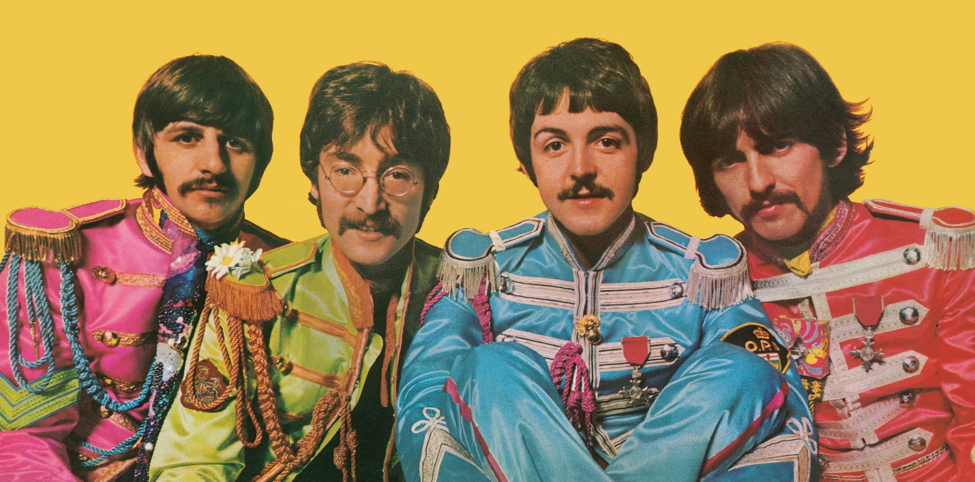
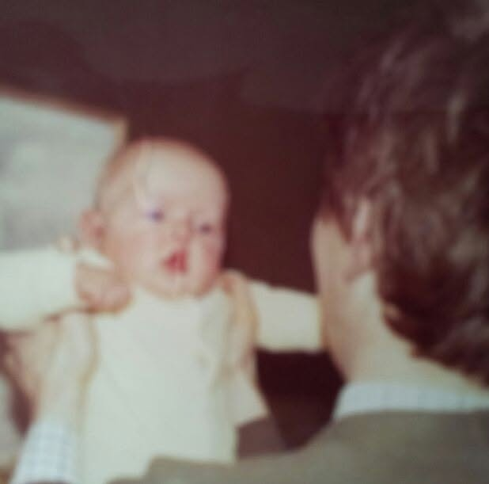
Three “icons” of 1967: 1. Prime Minister Harold Wilson 2. the iconoclastic Beatles regaled in their Sgt. Pepper’s “Pride” colours - 3 years before Pride had even started! 3. Baby Jeremy!
However, 5 years later Ted Heath's Conservative government passed the Nullity of Marriage Act 1971. This explicitly stated that a marriage was legally void from the outset if the parties weren't male and female. It was as if the government were putting up a big no entry sign to same-sex relationships, sending out the message: we might tolerate what two men get up to in their own homes, but no way will we recognise such relationships as anything other than private sin!
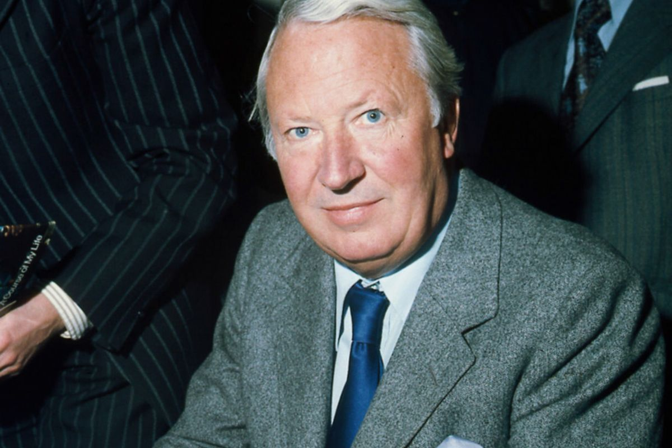
I remember at the next election three years later, as a 6-year-old l suggested to my father (a Labour councillor) that we “tear down” the Ted Heath posters in his constituency of Sidcup where we lived. However, I think that had rather more to do with Michael Foot’s rallying speech at the local scout hut than a protest at the Nullity of Marriage Act!
But from the late 1970s onwards emerged an evolving campaign to legally recognise same-sex marriage.
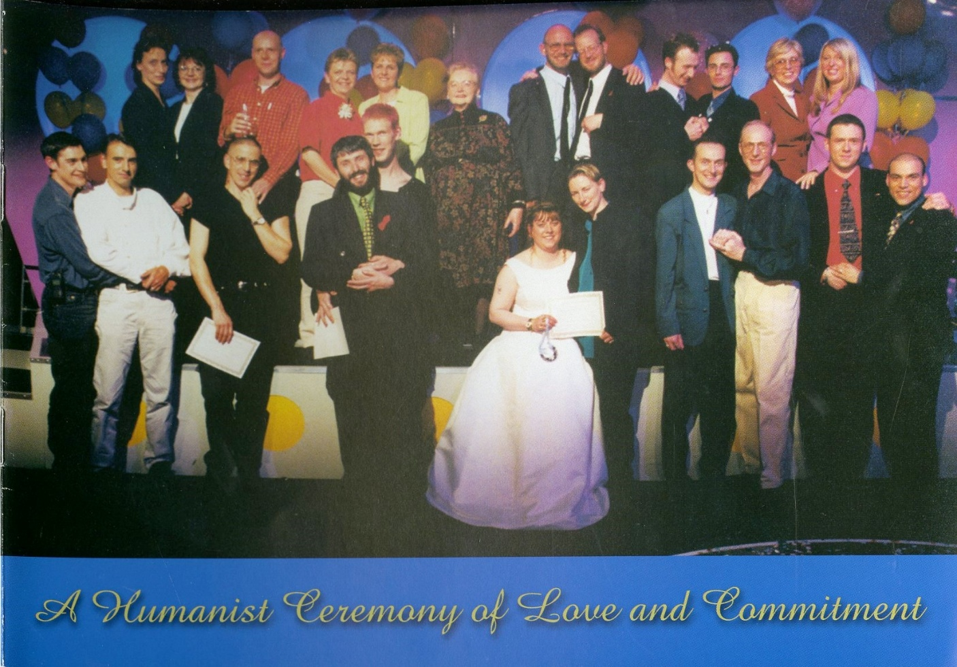
In 1979, The Gay Humanist Group became one of the earliest organisations to formally campaign for legal same-sex marriage. And during the 1980s we started to see humanist ceremonies- non-legally binding secular "affirmation ceremonies" for same-sex couples to publicly demonstrate societal demand to recognise such unions.
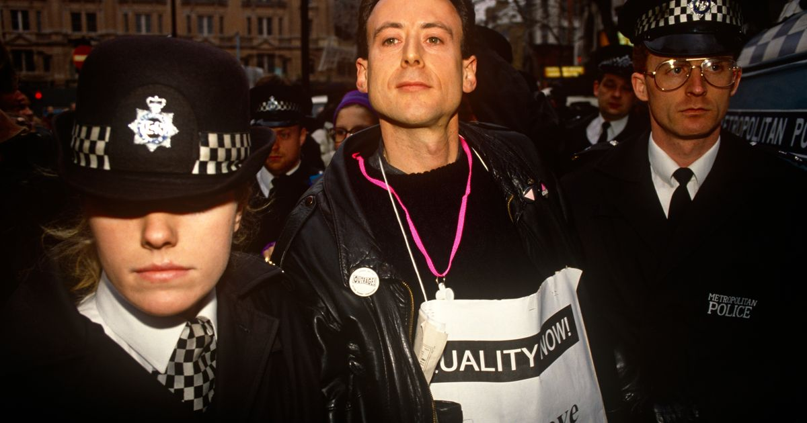
In 1992, the activist Peter Tatchell, founded the direction action group OutRage! They organised five lesbian and gay couples to petition for marriage licences at the Westminster Register Office. The formal refusal of these licences served as the first high-profile public challenge to the 1971 statutory ban.
In 2001, campaigners collaborated with Ken Livingstone, then Mayor of London, to launch the London Partnership Register. This was a voluntary registry for same-sex couples. While it lacked statutory legal rights, it served as a successful pilot that helped shift public policy momentum.
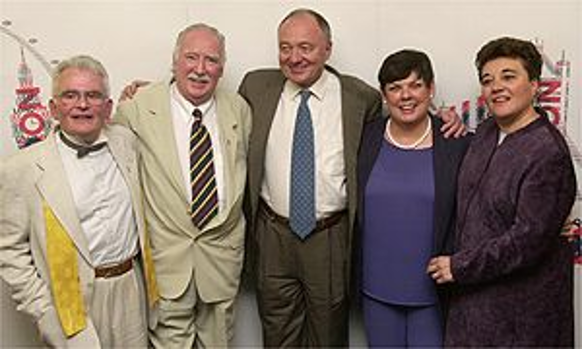
London Mayor Ken Livingstone with his first “registered” same-sex couples
Society's attitudes were now fast moving towards accepting LGBTQ+ folk on the same terms as the rest of us. And this finally led to progressive legislative change.
Tony Blair's second "New" Labour Government passed The Adoption and Children Act 2002, giving same-sex couples the equal legal right to jointly adopt children (allowing Ben and Jason to adopt their Luke 23 years later).

Prime Minister Tony Blair (before it all went horribly wrong!)
This was followed two years later by the Civil Partnership Act 2004. For the first time ever this country allowed same-sex couples to sign a legal registry recognising their union. These unions provided nearly identical legal rights to heterosexual marriage, including tax breaks, pensions, inheritance and divorce rights. But it stopped short of using the word "marriage" to appease traditionalist political opposition.
Further legal challenges followed to highlight the remaining discrimination against same-sex relationships and push for full equality.
The High Court decision in Wilkinson v Kitzinger & The Attorney General (2006) involved a lesbian couple, Celia Kitzinger and Sue Wilkinson, both university professors. They married legally in Canada in 2003. Upon returning to the UK, their marriage was automatically downgraded to a civil partnership under UK law. They filed a High Court petition arguing that refusing to recognise their marriage violated their human rights under the European Convention on Human Rights (ECHR). The High Court rejected the challenge, ruling that traditional marriage definitions were justifiable.
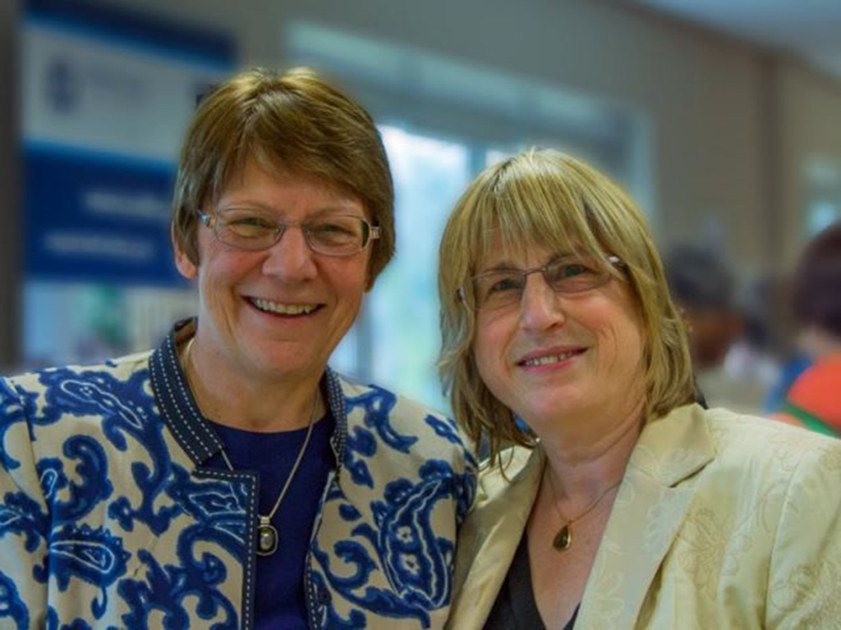
Professors Celia Kitzinger and Sue Wilkinson - Canadian wives but English civil partners!
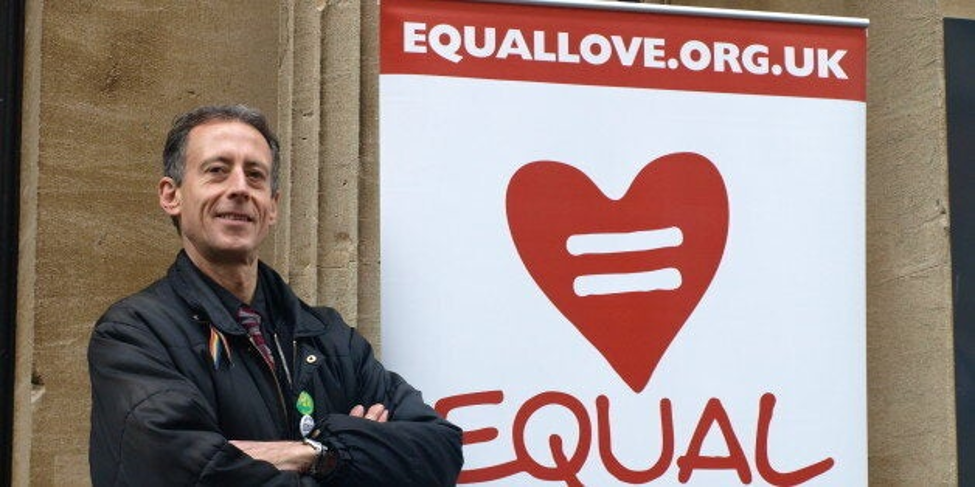
Once again the equality campaigner, Peter Tatchell, made his important contribution. In 2010, he founded The "Equal Love" Campaign. Four same-sex couples filed applications at register offices for civil marriages, while four opposite-sex couples simultaneously applied for civil partnerships. Following uniform rejections, they filed a joint application to the European Court of Human Rights in 2011 to eliminate this lop-sided discriminatory system. This challenge ultimately failed and was formally closed off in February 2015. However their campaign had already helped sowed the seeds of political and legal change.
Leading up to the 2010 general election, equal marriage grew into a prominent campaign issue, driven by LGBT+ groups like Stonewell. By the time of the election two of the three leaders of the main political parties had voiced their support for legalising same-sex marriage: the Conservatives' David Cameron and the Liberal Democrats' Nick Clegg. The laggard there was the outgoing Labour Prime Minister, Gordon Brown, who (like me) misguided by his own genuine Christian wrongly saw marriage as something God had specially reserved for a man and a woman.
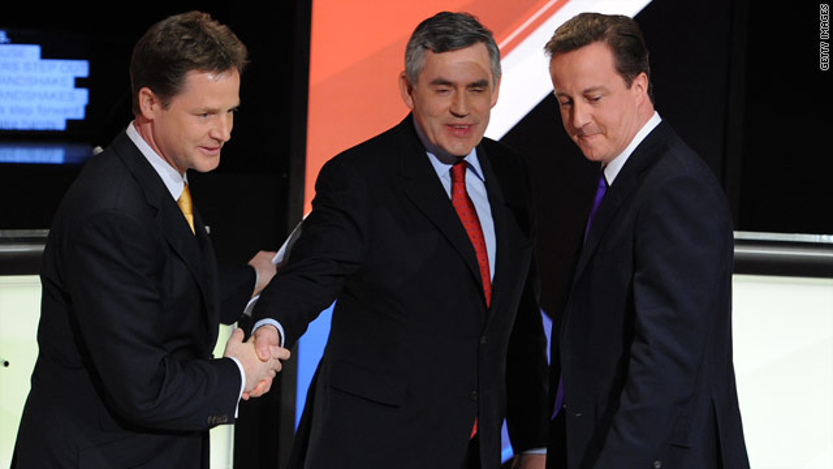
The three stooges or the three wise men?? – Nick, Gordon and Dave
The only national party to actually commit to same-sex marriage in their manifesto was the Greens (of whom I’m now proudly a member!) ad whose leader, Caroline Lucas, became the first ever UK Green MP.
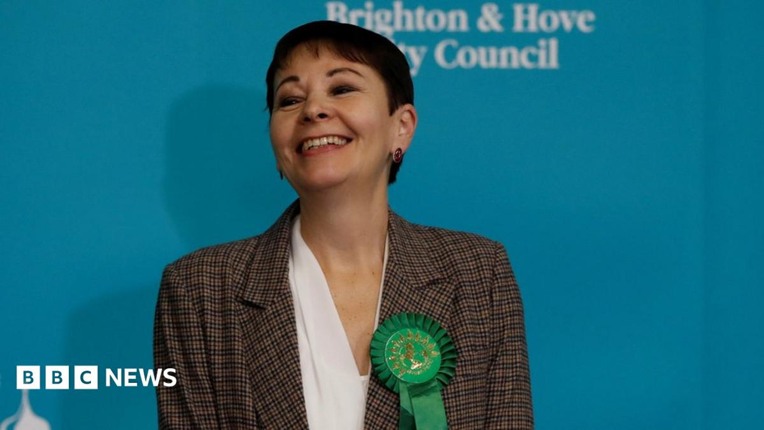
The iconic Caroline Lucas
Following the election, in 2012 the new Conservative-Liberal Democrat coalition government launched the Equal Civil Marriage Consultation. Receiving over 220,000 responses, the massive public turnout proved the direct catalyst for the drafting and introduction of the Marriage (Same Sex Couples) Bill in early 2013.
Despite stiff opposition, including from most Conservative MPs, the Marriage (Same Sex Couples) Act 2013 was passed on 17 July 2013, finally legalizing same-sex marriage in England and Wales.

This was largely thanks to the widespread backing of the large majority Labour MPs, whose new leader, Ed Miliband, strongly supported the cause.

The soon-to-be Chancellor?? Ed Miliband in his Labour leader days
And to his credit, among those won round to the cause, was the previous Prime Minister Gordon Brown who voted for the bill. The first same-sex marriages took place on 29th March 2014, 180 years and a day after Anne and Ann’s union, and 8 years before Jason and Ben’s.

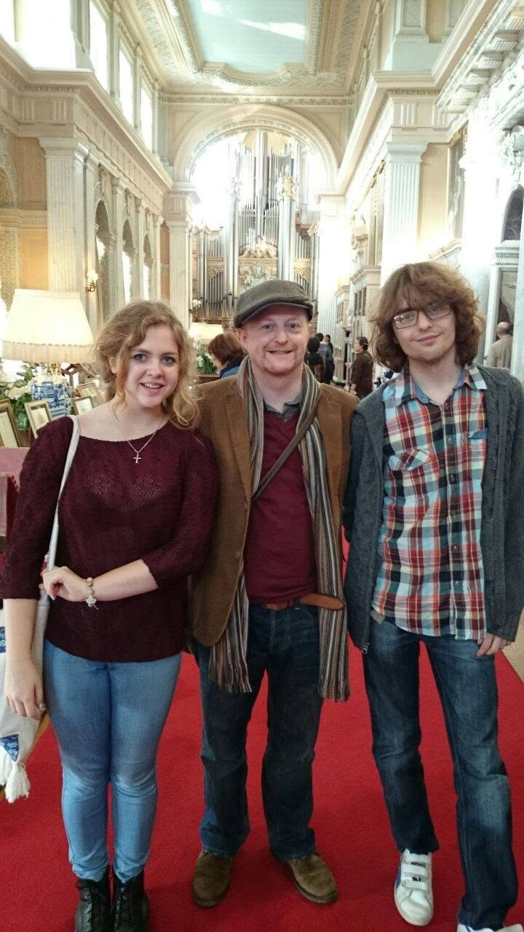
At that time I was still breaking out from a very conservative evangelical view about marriage. My daughter had started to challenge that and my position was softening. But, unlike Gordon Brown, it took another year for me to be fully persuaded of the case for same-sex marriage.
Q & As with Jason McMahon-Riley

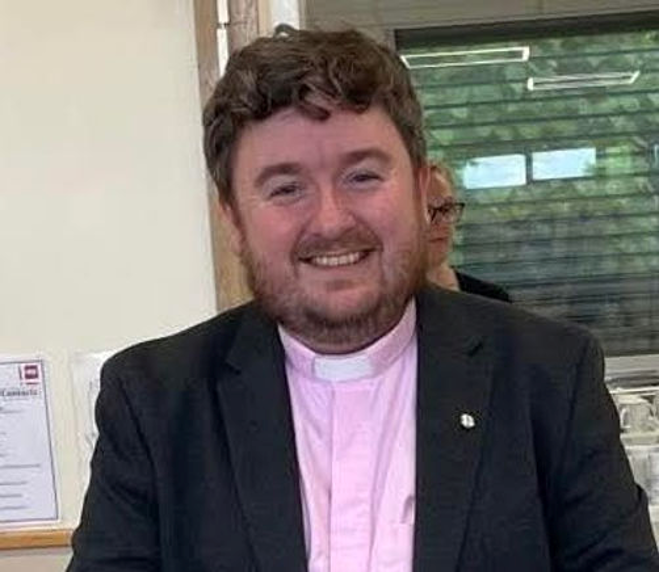
What was special about marriage which made Ben express his desire to marry you 5 years before it was even legally possible?
To both of us marriage represents permanence. Even as teenagers, Ben wasn’t simply saying “I hope we’re together for a long time”; I’ve come to understand how he was expressing a desire for a lifelong covenant. The fact that marriage wasn’t legally available made the idea even more powerful. In a teenage way, Ben was saying that if society and the law ever caught up, I was the person he wanted to spend his life with. For both of us, marriage was about belonging, commitment, and publicly declaring that our relationship was every bit as real and valuable as anyone else’s.
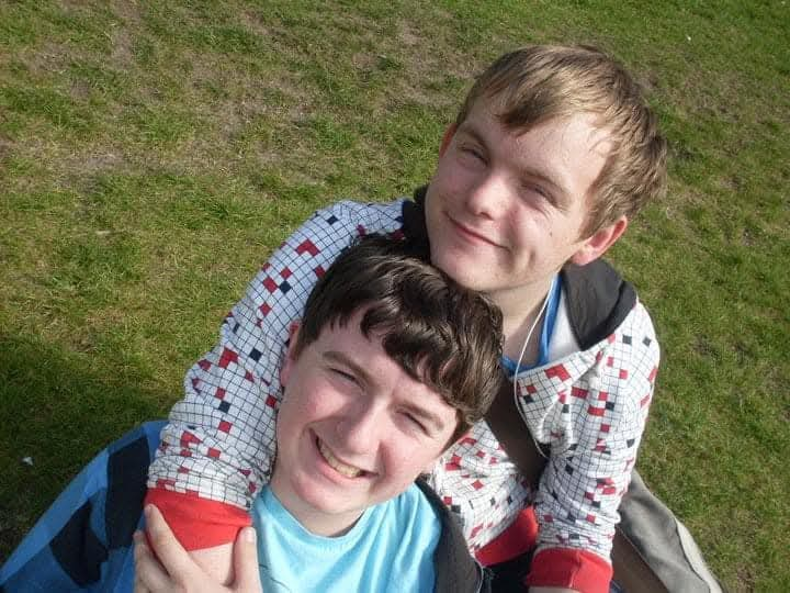
When Ben made that first proposal you were only 16 and 17 and it was still another 13 years before you tied the knot. Like with myself and Hannah, I know it’s a rare and precious thing for such young couples to stay together through all the different changes and challenges life throws at you: What challenges did you face, and how and why did you overcome them?
In most respects, Ben and I grew up together. The people we were at 16 and 17 are very different from the people we became in our twenties and thirties. Most young couples eventually discover they are growing in different directions. For our relationship, we seem to have grown alongside one another rather than apart.
There were challenges in our relationship and it wouldn’t be genuine to say otherwise. Challenges have been around education (when I moved away to university), careers, ministry, family expectations, finances, and living through a period when same-sex relationships were becoming more accepted but were still often misunderstood. I have found how ministry itself can place unique pressures on relationships.
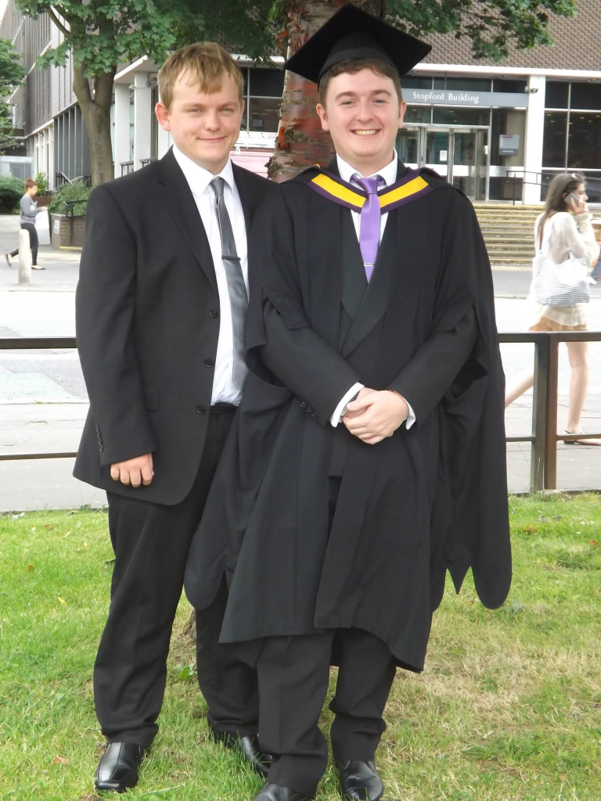
I believe the reason we stayed together is that friendship has always been at the heart of our relationship. I genuinely believe that long-term relationships survive not because people never change, but because they remain committed to learning who the other person is becoming. Through every stage of life, we kept choosing each other.
What blessings have you received from growing together as a couple from such a young age?
First and foremost, I think that having the gift of a shared history stretching across most of your lives is the ultimate blessing. Because of this, there were very few formative experiences that the other person wasn’t there for in some way.
Ben knew me before ordination, before adoption, before many of the responsibilities and achievements that now define my life. Likewise, I knew him before adulthood settled in. There is something profoundly grounding about being loved by someone who remembers who you were before any titles, roles, or accomplishments.
We’ve also had the blessing of building traditions, memories, and dreams together over decades rather than years.
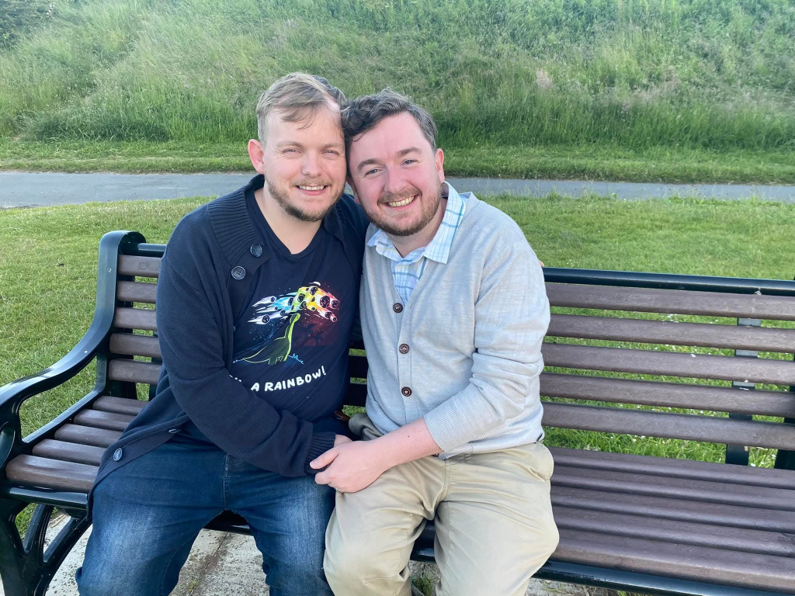
If same-sex marriage hadn’t been legalised, would you have been content to be civil partners?
I think we would probably have entered a civil partnership eventually because it would have provided legal recognition and protection, but I am certain that it would not have felt the same.
Marriage matters because it places a relationship within the same framework as every other married couple. It said that our commitment is not an alternative version of marriage but marriage itself. As a Christian and now a Methodist minister, there was something particularly important about being able to speak of a covenant relationship using the same language that generations of couples have used before us.
How closely were you watching the progress of same-sex marriage legislation? How did you feel when it became law?
We followed it very closely because it wasn’t an abstract political issue for us; it concerned our lives and our future.
When the legislation passed, there was a complicated mixture of joy, relief, gratitude, and a little disbelief. Something that had seemed impossible when we were teenagers had suddenly become real.
The law changing didn’t alter our love for one another, but it did change the way that love could be recognised publicly.
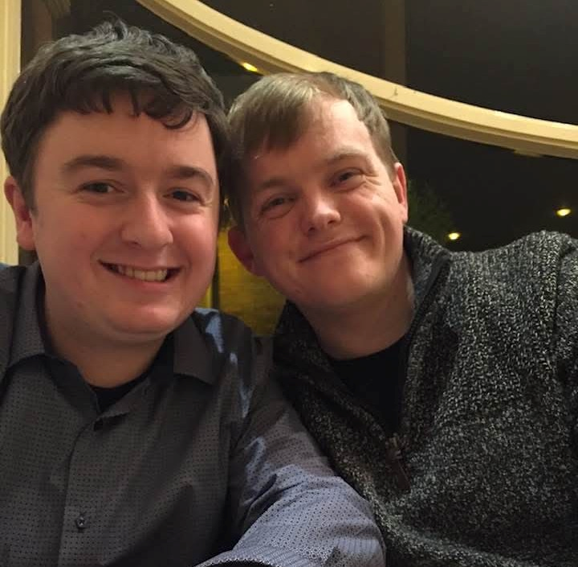
Was there a later, more formal proposal?
Yes, and it came in September 2019.
It was beautiful, by a peaceful lake. It was also a surprise that took my breath away. After so many years together, it felt less like asking “Will you marry me?” and more like asking “Shall we finally do what we’ve always known we wanted to do?”

This was still an act of faith as the Methodist Church had yet to make a decision, but had agreed it would decide either way by the conference of 2020. We weren’t to know that there would be further delay to this because of COVID.
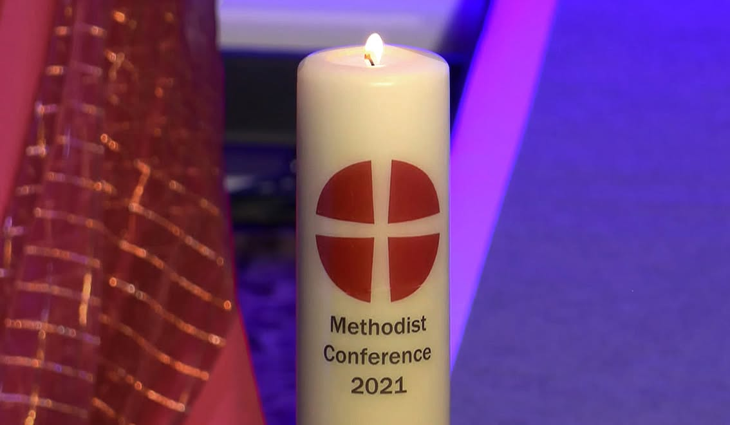
How did you mark your engagement?
We celebrated with close family and friends in our church with an autumnal themed afternoon tea. There was also an element of thanksgiving—a sense of gratitude for the journey that had brought us there.

For Hannah and myself in a very real way we felt married well before we were legally married and so it became natural that we had a physical relationship before we were legally married (despite struggling with the irrational guilt of this as pretty conservative evangelicals!) Without going into any detail how did yours and Ben's physical relationship develop?
As teenagers we knew we were in love, and at that time it was expressed rather passionately (thanks to all those hormones!) As time went on, we increasingly began to understand ourselves not as two people casually dating but as two people building a life together.
In that sense, there was a long period before our wedding when our relationship already possessed many of the qualities that people associate with marriage: commitment, fidelity, mutual care, shared responsibility, and deep love.
When your wedding was announced what was the reaction of your families? Did they all embrace the joy and love or were some more ambivalent or even hostile because this involved two men marrying rather than a man and a woman?
I was very fortunate that the overwhelming response from our families was one of joy and celebration. By the time Ben and I married, we had been together for so many years that our relationship wasn’t something new or uncertain - it was simply part of who we were. People had seen us grow up together and build a life together.
That doesn’t mean everyone necessarily understood everything in exactly the same way, but what mattered most was that they could see the love, commitment, and faithfulness that had sustained us over many years. The wedding wasn’t really about making a statement; it was about celebrating a relationship that had already stood the test of time.

What, if any, doubts or nerves did you experience as the wedding day drew near?
I didn’t have doubts about marrying Ben. After thirteen years together, that wasn’t the question!
The nerves were more about the significance of the day itself. We’d waited a long time for that moment and there was a sense of wanting everything to go well. I think there was also an emotional weight to it. This was something that, when we first got together as teenagers, didn’t seem like it would ever be possible. Suddenly it was real!
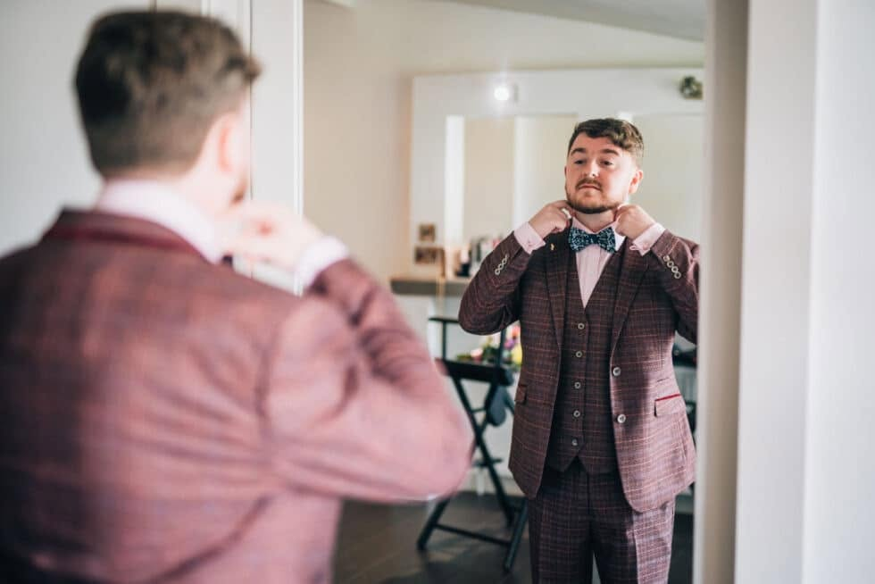
Could you sum up how it felt getting married to the man you loved in your own church before your friends and family. And what if any difference did it make to you that you could marry in your own church rather than at say a registry office?
It felt deeply moving and profoundly right.
For me, my faith has always been central to who I am. To be able to stand in church, before God, surrounded by people we loved, and make those promises to one another was incredibly special. There was a sense that all the different parts of my life - faith, family, vocation, friendship, and love - were coming together in one place.
Getting married in our church made an enormous difference to us. A registry office would have given us a legal marriage, and that would still have mattered. But being married in church allowed us to place our relationship within the context of our faith. It wasn’t simply a legal contract; it was a covenant made before God. As a Christian, and now as a Methodist minister, that meant a great deal to me.
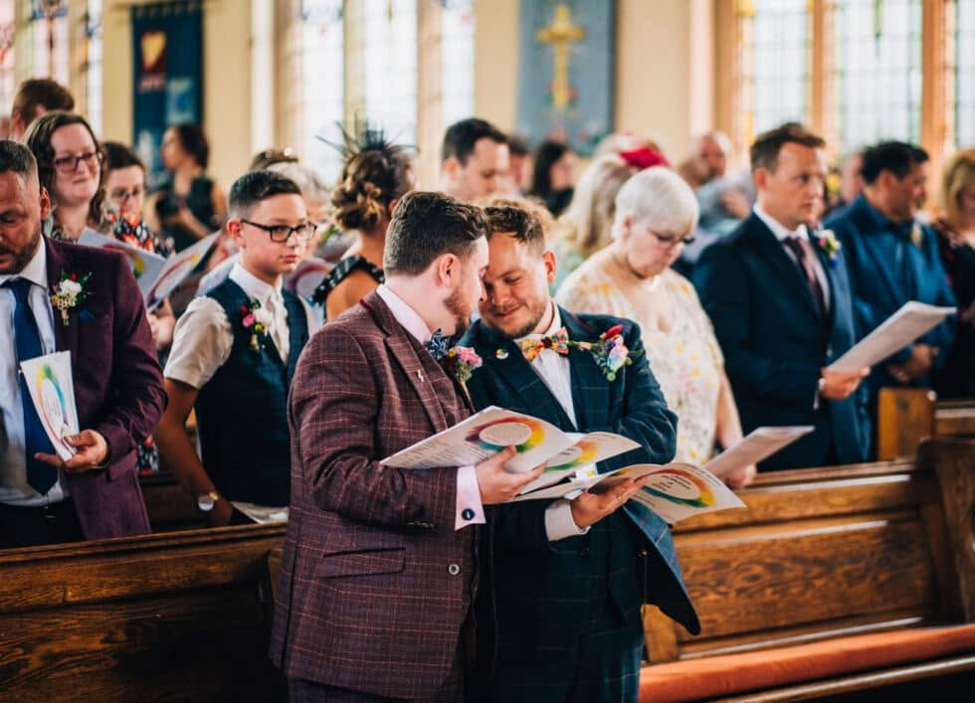
How did God fit into your wedding day?
God wasn’t an addition to the day - God was at the heart of it.
The wedding was an act of worship as much as it was a celebration. Through the prayers, readings, hymns, vows, and blessings, we were acknowledging that the love we shared was a gift from God and that we needed God’s grace for the journey ahead.
Looking back, I see God’s presence not just on the wedding day itself but throughout the whole story that led us there.
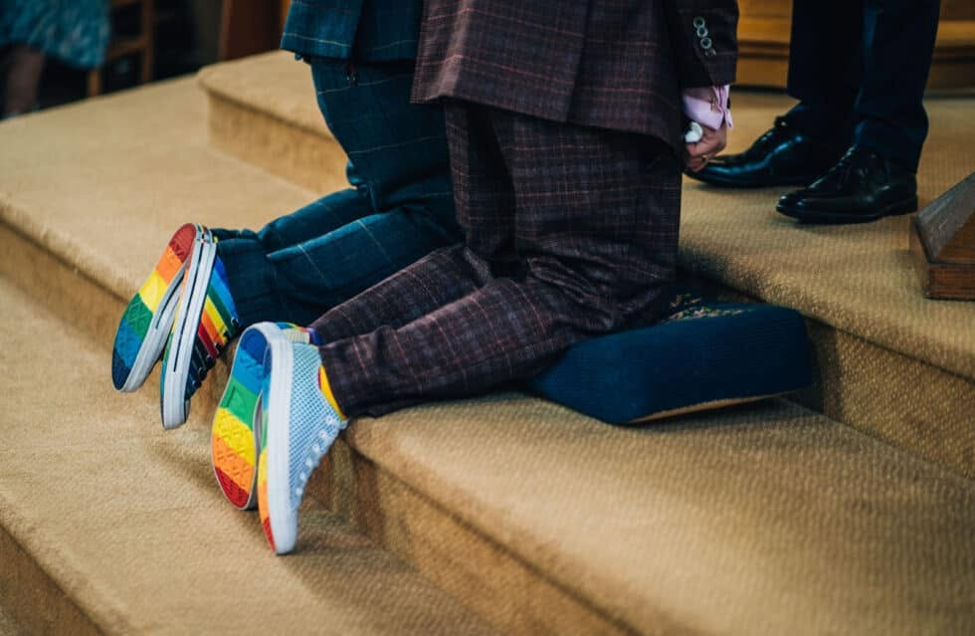
Looking back at your wedding day how would you sum it how it went?
I would sum it up with one word: joy!
Of course there were little imperfections and moments that didn’t go exactly according to plan, but none of those things matter now. What I remember is the overwhelming joy of being surrounded by people we loved and finally being able to celebrate publicly the commitment we had shared privately for so many years.
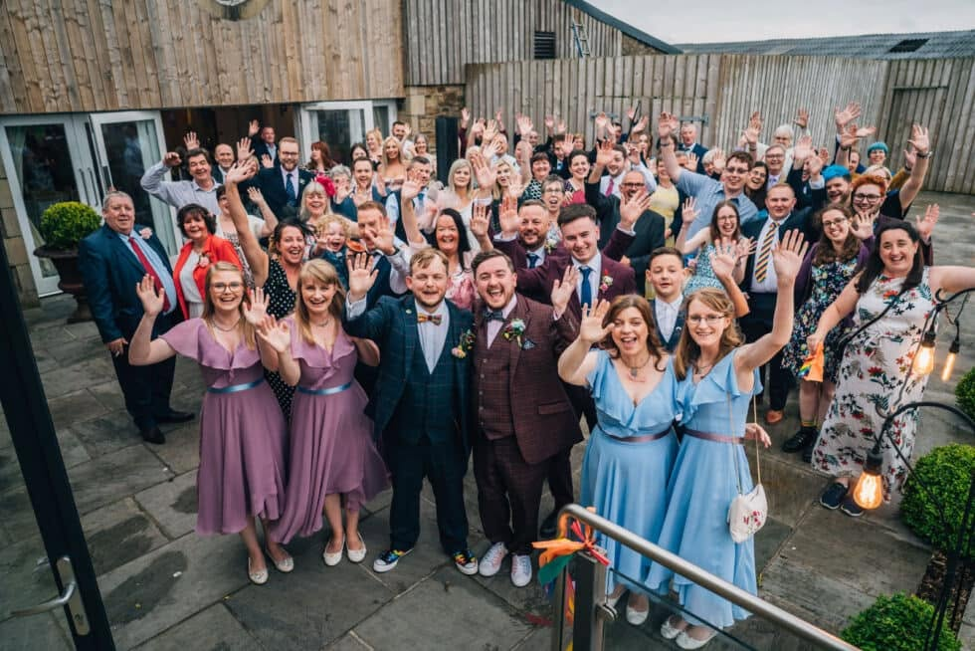
You've shared lots of gorgeous pictures of your wedding day on your Facebook page. If you had to pick a favourite which would it be and why?
I think it would probably be one that captures a genuine moment rather than a posed one. A photograph where we’re laughing together or looking at each other without realising the camera is there.
The photographs I treasure most aren’t necessarily the most polished ones - they’re the ones that remind me how the day felt.
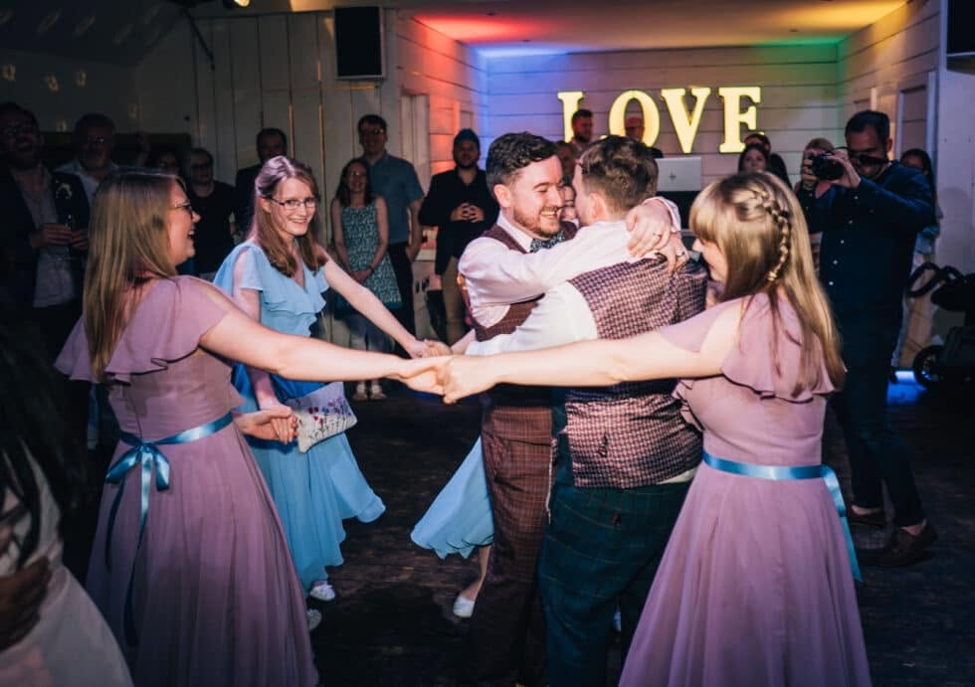
It’s been your 4th wedding anniversary this month. Looking back over those last 4 years, what if any challenges have you faced as a couple and how have you responded to them?
The biggest challenge has probably been navigating major life transitions together. Adoption was certainly one of those. The process was long, demanding, emotional, and at times exhausting.
At the same time, ordained ministry brings its own pressures and responsibilities.
What has helped us is remembering that we’re on the same side. We’ve learned that challenges aren’t something one person carries while the other watches; they’re something we face together. Communication, patience, humour, and prayer have all been important.

How would you describe your relationship with Ben now compared to when you first married in 2022 and even further back to when Ben first "proposed" in 2009?
In 2009, we were full of hopes and dreams.
In 2022, we were celebrating the fulfilment of many of those dreams.
Today, I would say our relationship is deeper, steadier, and more rooted. The excitement is still there, but it has been joined by years of trust, shared experience, and mutual understanding.
We know each other better than we ever have before, and we’ve seen each other through some of life’s most significant moments.
If you had one piece of advice to couples about to get married as a recipe for a happy marriage what would it be?
Choose each other every day.
Marriage isn’t sustained by grand gestures alone. It’s built through ordinary acts of kindness, patience, forgiveness, encouragement, and faithfulness. Love isn’t just something you feel; it’s something you practise.

Why This Story Matters for the Church
Ben and Jason’s story is not merely personal—it's theological. It demonstrates that same‑sex relationships can embody the very virtues Scripture celebrates in covenantal love: fidelity, mutual care, perseverance, joy, and the intertwining of two lives in God’s presence.
Their story challenges the church to recognise what God is already blessing.
It invites evangelicals to revisit Scripture not through the lens of fear or tradition, but through the lens Jesus himself used: “By their fruits you shall know them.”

The fruits of Ben and Jason’s relationship—faithfulness, joy, service, and love—are unmistakably good. And where the fruit is good, the tree is good.
Next time: Jason's Story part 3 - the Messy Joys of Fatherhood!


Comments